February 4, 2026
Ramin Popal
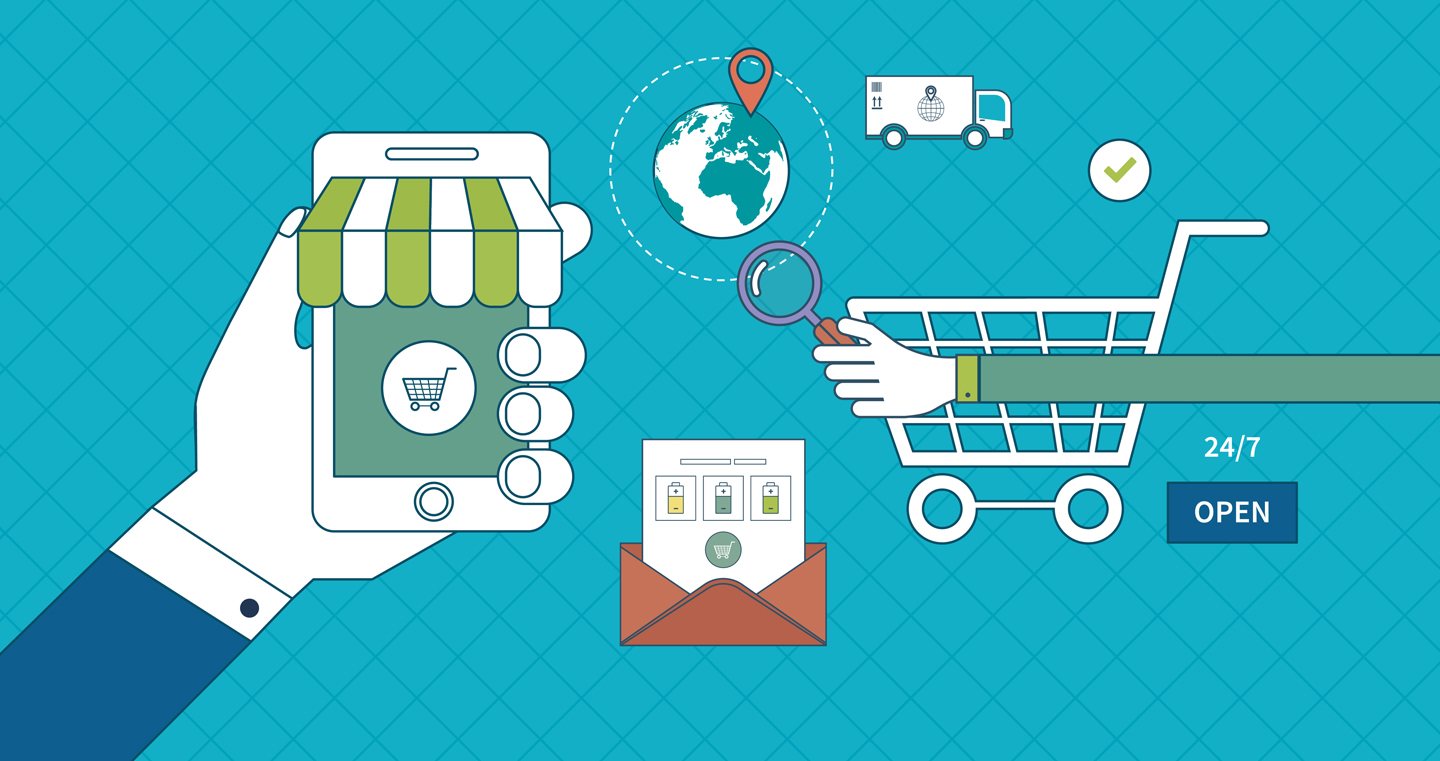
You've probably heard people talk about starting an online store or launching a dropshipping business, and you may have wondered whether they're the same. Understanding how to succeed in dropshipping starts with knowing exactly what sets it apart from traditional eCommerce models, because the business structure, inventory management, and profit margins operate differently, directly impacting your success. This article breaks down the key differences between eCommerce and dropshipping so you can make informed decisions about which path fits your goals, resources, and risk tolerance.
If you're serious about building an online retail business, having the right tools makes all the difference. AI Store Builder offers an AI store builder that simplifies the technical setup process, letting you focus on understanding business models like dropshipping versus traditional eCommerce rather than wrestling with complicated website code. Whether you choose to hold inventory or have suppliers ship directly to customers, the platform helps you get your store up and running quickly so you can test what works for your specific situation.
AI Store Builder addresses these execution gaps by creating functional stores in minutes, preloading 20 trending products from vetted suppliers, and providing dropshipping education to prevent beginners from making costly setup mistakes before their first sale.

Most people searching for "what's the difference between eCommerce and dropshipping" are trying to answer a deceptively simple question: Which one is better? They line up profit margins, inventory risk, and startup costs, assuming the business model itself will determine whether the business succeeds or fails. That's the wrong comparison. The prevailing belief is that eCommerce and dropshipping are distinct business models competing with each other. In reality, dropshipping is a fulfillment method within eCommerce, not an alternative to it. Both rely on the same fundamentals:
Stores fail not because they chose "the wrong model," but because they launched with weak foundations. Generic store design that doesn't build trust. Products chosen without real demand validation. Suppliers that can't deliver reliably. No clear plan for traffic, pricing, or fulfillment. These problems kill traditional eCommerce stores and dropshipping stores at the same rate. The comparison trap feels productive because it creates structure. You can make spreadsheets. You can weigh pros and cons. You can feel like you're making progress toward a decision. But this framework encourages people to believe that choosing the "right" structure will compensate for a poor setup. It won't.
A common pattern surfaces across forums and business communities: aspiring entrepreneurs spend weeks debating inventory models while ignoring:
The model comparison becomes a comfortable distraction from harder questions about execution readiness.
Focusing on the model creates a false sense of control. When someone asks, "Should I do eCommerce or dropshipping?", they're really asking, "Which path has fewer risks?" But the question itself assumes the model determines risk level, when execution quality is what actually matters. According to Olivier de Segonzac's analysis of ChatGPT's source code, search algorithms now use a 30-day recency parameter for recent news queries, meaning platforms increasingly surface content that reflects current market conditions rather than outdated model comparisons. The shift signals something important: the conversation is moving from "which model is best" to "what's working right now." A poorly executed eCommerce store with inventory will fail just as surely as a poorly executed dropshipping store without inventory. The meaningful distinction isn't eCommerce versus dropshipping. It's whether the store is set up to work from day one.
When you shift the lens from comparing models to evaluating outcomes, the question changes. Instead of asking "Which one is better?", the more useful question becomes: Which approach lets me launch with fewer execution risks and fix problems faster? That reframing exposes what matters.
For beginners entering online retail, having the right tools makes all the difference. AI store builder offers a platform that simplifies technical setup, allowing you to focus on execution fundamentals such as product validation and supplier reliability rather than wrestling with complex website code. Whether you choose to hold inventory or have suppliers ship directly to customers, the platform helps you get your store up and running quickly so you can test what works for your specific situation.
The model you choose matters far less than whether you can execute the basics well. Store design that converts visitors. Products people actually want. Suppliers who ship on time. Marketing that reaches the right audience. Payment processing that works. Customer service that builds trust. These fundamentals determine outcomes. The model is just the structure you build them within. But before you can evaluate execution quality, you need to understand what eCommerce actually means in practice.

At its core, eCommerce is the sale of products online. That's it. Everything else is an implementation choice, not a defining feature, such as:
That simplicity is why eCommerce has become such a dominant retail channel. According to eMarketer, eCommerce sales are projected to account for 22% of global retail sales by 2024. One in five retail dollars globally is already spent online, and that share continues to grow.
The traditional eCommerce setup typically means:
Traditional eCommerce requires upfront capital to purchase inventory before demand is proven. You're making purchasing decisions based on assumptions about what will sell rather than on actual customer behavior. That creates a specific kind of pressure: every dollar tied up in unsold inventory is a dollar you can't spend:
Many brands with monthly revenue under $20,000 pay excessive fees to suppliers, intermediaries, and shipping carriers. Those expenses eat into the budget that should be directed toward advertising and customer acquisition. When you're starting out, every dollar saved matters because it can be redirected toward finding customers who actually want what you're selling.
Logistics complexity compounds the problem. Warehousing requires space, organization, and systems to track what's moving and what's sitting idle. Fulfillment coordination means managing pick, pack, and ship processes, either yourself or through a third party. Each layer introduces potential failure points:
Risk concentrates early in traditional eCommerce. You commit to inventory before you know which products will resonate, which price points convert, or which marketing channels bring profitable customers. If those early decisions are wrong, you're stuck with products nobody wants and no capital to pivot.
The model itself is sound. Global data clearly show that eCommerce continues to expand its share of total retail. But success depends on whether those early execution decisions are right.
These questions matter more than whether you hold inventory or have fulfillment managed by a third party. A beautifully branded store with inventory won't succeed if the products are generic and the marketing is weak. A lean operation without inventory won't survive if suppliers ship late or customer service is nonresponsive.
For aspiring entrepreneurs who want to test eCommerce without the upfront capital and logistics complexity, platforms like AI store builder remove traditional barriers to entry. The AI handles:
This focuses on learning what converts rather than wrestling with technical infrastructure. You're not avoiding execution fundamentals; you're starting with a foundation that lets you test and adjust faster.
How customers shop has shifted dramatically. According to Statista, mobile commerce accounts for 72.9% of all eCommerce sales. That means nearly three out of every four online purchases occur on a phone, not a desktop. This isn't a minor detail. It fundamentally changes how you need to think about store design, product presentation, checkout flow, and page load speed. If your store isn't optimized for mobile, you're losing most potential customers before they ever see your products. Desktop-first design no longer reflects how people actually buy.
The shift to mobile also changes customer expectations. People browsing on phones want instant clarity:
Complicated navigation, slow-loading images, or multi-step checkout processes create friction that sends them elsewhere. Mobile commerce isn't just about responsive design; it's about removing every unnecessary step between interest and purchase. But understanding what eCommerce is and how people shop online only tells you half the story.

Dropshipping is a fulfillment model in which you sell products without holding inventory. When a customer orders from your store, you purchase the item from a third-party supplier who ships it directly to the customer. You never touch, warehouse, or manage physical stock. This approach removes the capital requirement that stops most people from starting. According to Straits Research, the global dropshipping market is projected to grow from USD 470.92 billion in 2025 to USD 3479.1 billion by 2033. That explosive growth reflects a simple truth: more people can start when inventory risk disappears. The customer experience remains identical to that of any other online purchase.
The difference lives entirely in the operational layer they never see.
Traditional eCommerce forces you to answer a question before you have data: What will people buy? You commit capital to inventory based on assumptions, then hope demand materializes. If you're wrong, you're stuck with products nobody wants and no budget to pivot. Dropshipping reverses the sequence. You list products before purchasing them. Demand comes first, then fulfillment. Risk shifts from before the sale to after it. You pay suppliers only after customers have paid you.
That timing difference has practical consequences. You can test twenty product variations in a week without buying a single unit upfront. You can validate demand in real market conditions, not through guesswork. You can rotate offers based on actual conversion data, not intuition about what might sell. The trade-off sits in control and margin.
Shipping times often exceed customers' expectations, especially when sourcing internationally.
Dropshipping lowers the barrier to start, but that accessibility creates a different problem. When anyone can launch a store in an afternoon, differentiation becomes harder. Generic product catalogs flood the market. Stores look identical. Suppliers ship the same items to dozens of competing retailers. Success depends on execution fundamentals that most beginners skip. Product selection based on actual search volume and competition analysis, not trending lists. Store design that builds credibility through:
Supplier vetting that confirms shipping speed, product quality, and responsiveness to communication before you send them a single customer.
For people entering eCommerce without technical skills or significant capital, platforms like AI store builder remove the setup friction that traditionally consumed weeks. The AI handles:
You can focus on testing what converts rather than wrestling with website configuration. You're not avoiding hard work; you're starting with infrastructure that lets you learn faster.
Dropshipping stores face the same mobile reality as traditional eCommerce, but the stakes feel higher. When you control inventory and fulfillment, you can offset weak store design with faster shipping or better packaging. When suppliers handle everything, your store design is your only competitive advantage. Mobile optimization becomes non-negotiable. Page load speed under three seconds. Product images that show detail on small screens. Checkout flows that require minimal typing. Clear shipping timeframes that set realistic expectations. Every friction point drives customers to a competitor whose experience is smoother.
The difference between a store that converts at 1.5% and one that converts at 3.5% isn't usually the products. It's whether the mobile experience removes doubt fast enough to trigger purchase decisions. But framing eCommerce and dropshipping as competing models overlooks their fundamental relationship.

The comparison between eCommerce and dropshipping assumes they're competing business models. They're not. Dropshipping is a fulfillment option within eCommerce, like choosing between air freight and ground shipping. The question isn't which model wins, but which execution approach fits your current constraints. Product selection without demand validation leads to poor conversion rates in both scenarios. Unreliable suppliers create the same customer service nightmares whether you bought inventory upfront or ordered it after the sale.
The comparison creates a false choice that encourages people to seek safety in structure rather than strength in setup. It suggests that picking the "right" model compensates for weak product selection, generic store design, or unreliable suppliers. That belief is expensive.
Beginners spend weeks researching inventory models while ignoring whether their product has actual search volume, whether their store design signals credibility, or whether their supplier ships within advertised timeframes. The model comparison becomes comfortable because it feels like progress.
The real risk isn't in the fulfillment method. It's in launching without validating the basics that determine whether any online store succeeds.
Statistics on dropshipping failure rates are widely circulated, but they rarely include context on the causes. According to Ninja Tables' analysis of misleading statistics examples, starting the y-axis above zero to exaggerate differences is a common tactic that makes small variations appear dramatic. When failure rate charts show dropshipping at 90% and traditional eCommerce at 80%, the visual impact suggests a massive gap. The actual difference? Ten percentage points, both reflecting that most new retail businesses struggle regardless of structure.
Both approaches succeed or fail on identical fundamentals. Store design that converts casual browsers into buyers. Product selection based on actual demand signals, not trending lists. Supplier relationships that deliver consistent quality and on-time shipping. Marketing that reaches people who want what you're selling at a cost that leaves room for profit. Customer service that builds trust rather than erodes it. These execution elements matter infinitely more than whether you own inventory. Change the fulfillment method without fixing weak fundamentals, and you've just created a different version of the same failing store.
For beginners testing eCommerce for the first time, platforms like AI store builder remove the technical barriers that traditionally consumed weeks of setup time. The AI handles:
You can focus on learning what drives conversions rather than wrestling with website configuration. You're not avoiding execution challenges. You're starting with infrastructure that enables you to test and adjust based on real customer behavior rather than assumptions.
Traditional eCommerce demands capital before you have proof. You buy inventory, then discover whether people want it. Dropshipping reverses the sequence. You validate demand, then fulfill orders. That timing shift matters more than most comparisons acknowledge.
The question isn't which model is superior. It's whether you can afford to be wrong about product selection before you've tested it in the market. If you have capital to absorb inventory mistakes while you learn what converts, traditional eCommerce gives you more control. If you need to validate demand before committing resources, dropshipping removes the risk that stops most people from starting. Neither choice guarantees success. Both require the same execution discipline once the store is live. But understanding why the comparison misleads you doesn't answer the question that actually determines whether you launch or stay stuck in research mode forever.

The meaningful difference isn't eCommerce versus dropshipping. It's how much risk you take on before you've proven demand. Most people frame the decision as a model choice. In reality, it's a risk-allocation decision. How much capital do you commit, how early do you commit it, and how many assumptions do you lock in before the market has given you any feedback?
The data is clear on where businesses usually fail. According to CB Insights, the number one reason startups fail is a lack of market demand, cited in 35% of cases. That failure mode is directly tied to early decisions:
Traditional eCommerce concentrates that risk upfront. Inventory is purchased before demand is proven. Storage, fulfillment, and logistics costs are incurred regardless of whether products sell. Industry benchmarks cited by Shopify consistently show that traditional eCommerce startups typically require several thousand dollars in upfront costs, including:
Dropshipping shifts that exposure. Because products are listed before inventory is purchased, upfront capital requirements are materially lower. Shopify and other eCommerce platforms often estimate that dropshipping stores can be launched for hundreds of dollars rather than thousands, covering store setup, apps, and initial marketing tests rather than stock.
Lower upfront cost does not mean lower execution standards. Dropshipping only reduces risk if execution is solid from day one. Poor store design, weak product selection, unreliable suppliers, or no system for pricing and ads simply reintroduce risk in a different form:
When founders try to do everything themselves, they often stack multiple risks at once:
For beginners entering dropshipping without technical expertise, platforms like AI store builder handle:
The AI preloads trending products with validated demand and connects you with reliable suppliers, so you're not guessing what might sell or who can deliver. You're starting with infrastructure that eliminates the most common early-stage failure points, allowing you to focus on testing what converts rather than wrestling with setup decisions that require experience you don't have yet. When store building, product research, supplier sourcing, and education are handled correctly upfront, dropshipping becomes a faster, lower-risk way to run an eCommerce business (not because the model is magic, but because fewer assumptions are made before launch).
The right question isn't "Which model is better?" It's the level of uncertainty you remove before you spend your first dollar on inventory. If you have capital to absorb inventory mistakes while you learn what converts, traditional eCommerce gives you more control. You can inspect products before they ship. You can brand packaging. You can manage shipping timelines directly. That control matters when you already know what sells and who your customers are.
If you need to validate demand before committing resources, dropshipping removes the risk that stops most people from starting.
Neither choice guarantees success. Both require the same execution discipline once the store is live. But one lets you learn what works before you've committed capital to assumptions that might be wrong. The question that determines whether you launch or stay stuck in research mode isn't about models. It's about whether you have a system in place to eliminate execution risk before your first sale.
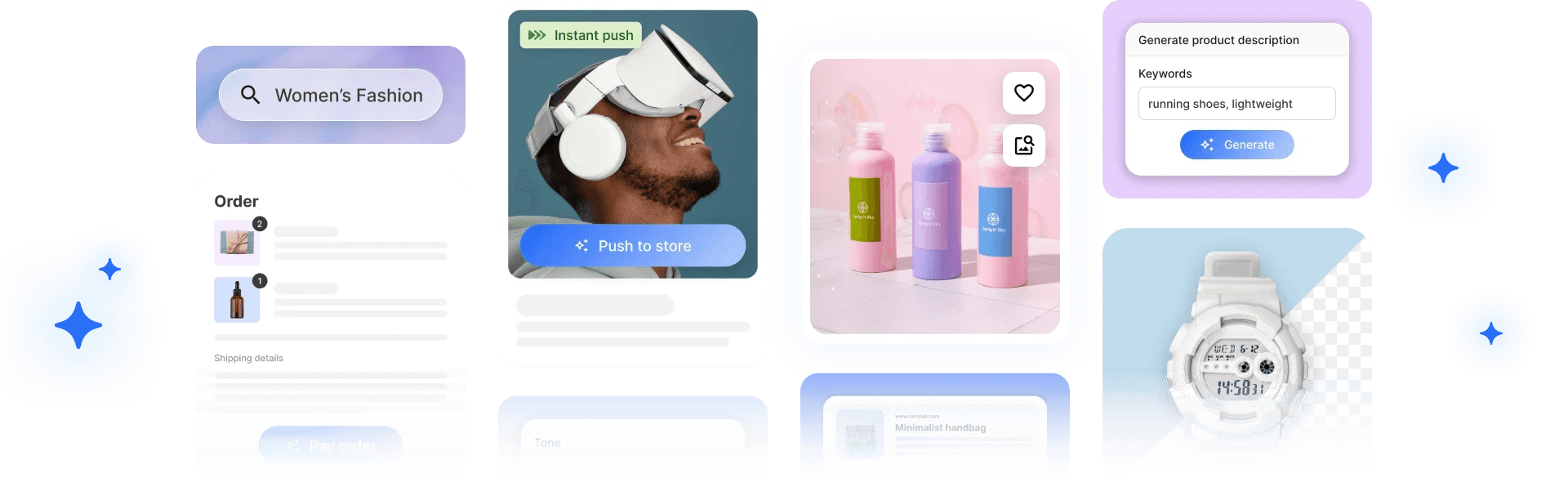
Execution infrastructure matters more than the business model you choose. Most people don't fail because they picked dropshipping over traditional eCommerce. They fail because they launched with weak foundations:
AI Store Builder addresses the specific failure points that kill stores before they generate their first profitable month. Instead of asking beginners to design stores, research products, vet suppliers, and learn fulfillment simultaneously, the platform handles those steps where most businesses stall or make expensive mistakes.
Store design is where most beginners lose weeks. They start with blank templates, guess at layouts, and build something that looks amateur because they lack the pattern recognition that comes from launching dozens of stores. Generic designs signal low trust. Visitors leave before they ever see the products. AI Store Builder creates a fully functional Wix eCommerce store in minutes. The structure, layout, and core setup are already done. You're not starting from a blank page or guessing what a "good" store looks like. The design follows conversion principles that take most people years to learn through trial and error. This removes setup paralysis, keeping people researching instead of launching. The store exists. It works. You can start testing what actually matters: whether people want what you're selling.
Product selection carries more risk than most beginners realize. Pick items with no search volume, and your ads won't convert, no matter how much you spend. Choose suppliers who ship late or deliver poor quality, and refunds destroy your margins before you've learned what works. AI Store Builder preloads 20 trending products and connects them with vetted suppliers. You're not guessing what might sell based on a viral TikTok video or a trending list that's already saturated. You start with products that show actual demand signals and suppliers who've been tested for shipping speed and reliability. The difference between launching with validated products and launching with assumptions determines whether your first month generates data you can use or just burns through your ad budget with nothing to show for it.
Most people piece together dropshipping knowledge from YouTube videos, Reddit threads, and fragmented blog posts after they've already launched. They learn about pricing strategy after they've set prices too low. They discover best practices for supplier fulfillment after a supplier has already damaged their reputation. The education comes too late to prevent the mistakes that matter. AI Store Builder includes a complete dropshipping course from day one. The training others charge thousands for is built into the platform, giving you a clear system for pricing, ads, customer service, and fulfillment before you make decisions that are expensive to reverse.
According to The Manufacturer, 60% of AI projects fail to move beyond the pilot stage, and only 11% have successfully scaled AI across their operations. The pattern is identical in eCommerce: most failures happen not because the strategy was wrong, but because execution broke down at launch. Education that arrives before you need it prevents the costly mistakes that kill momentum. You're not learning theory. You're getting the specific systems that determine whether a dropshipping store survives its first 90 days.
Execution breaks when founders are left guessing. A supplier ships the wrong product. A customer disputes a charge. Facebook rejects your ad for a policy violation you don't understand. These moments determine whether you solve problems fast or let them compound into business-ending crises.
AI Store Builder offers live support via phone and access to a community of over 10,000 members. Questions don't turn into costly delays or bad decisions. Instead of troubleshooting alone at 2 AM, you can get guidance from people who've already solved the problem you're facing. The support structure matters because dropshipping moves fast. A supplier issue that takes three days to resolve can cost you a week of ad spend and damage your store's reputation with chargebacks. Speed matters. Access to people who know what they're doing matters more.
AI Store Builder doesn't change the fundamentals of eCommerce. You still need to drive traffic, convert visitors, and deliver good customer experiences. The platform removes the execution friction that causes most early failures, so dropshipping can function as intended: a faster, lower-risk way to test and grow an eCommerce business when the setup is done right.
The result isn't a shortcut. It's fewer assumptions before launch. You start with a store that works, products that have demand, suppliers who deliver, and education that prevents the mistakes most beginners make. That foundation lets you focus on the variables that actually determine outcomes: whether your offer resonates, whether your ads reach the right people, and whether your customer experience builds trust. Most people never get to test those variables because they're stuck fixing problems that should have been solved before launch. But knowing the infrastructure exists doesn't tell you how to actually get started.
If you want to start eCommerce using dropshipping without dealing with setup headaches, product research, or supplier hunting, AI Store Builder builds the store for you so you can focus on growing, not figuring it out. The AI handles:
You're not skipping the fundamentals. You're starting with infrastructure that works, so you can test what converts instead of guessing what might. Get your store built for you in less than 10 minutes today. The difference between launching next month and launching this week is whether you're willing to stop researching and start testing what actually sells.
Get your free store in less than 10 minutes today
%20(1).avif)