March 6, 2026
Ramin Popal

You've chosen dropshipping as your path forward, but now you're staring at platform options, wondering which one actually helps you move faster. Ecwid might seem like the obvious choice, but understanding how to succeed in dropshipping means knowing when to explore better alternatives that align with your specific needs. Whether you're seeking more customization, lower fees, superior automation, or simply a more intuitive interface, finding the right ecommerce platform can make the difference between struggling through setup and launching your online store this week.
That's where solutions like AI Store Builder come into play, transforming what used to take weeks of manual work into a streamlined process. Instead of wrestling with complicated settings or piecing together multiple apps, this tool helps you build a functional storefront quickly while maintaining the professional features you need to compete. When you're evaluating Shopify alternatives,
AI store builder addresses this by delivering complete Wix dropshipping stores in under 10 minutes, with 20 trending products already loaded, suppliers connected, and conversion-optimized pages configured, compressing the manual assembly work that typically prevents entrepreneurs from reaching the testing phase, where actual market feedback begins.
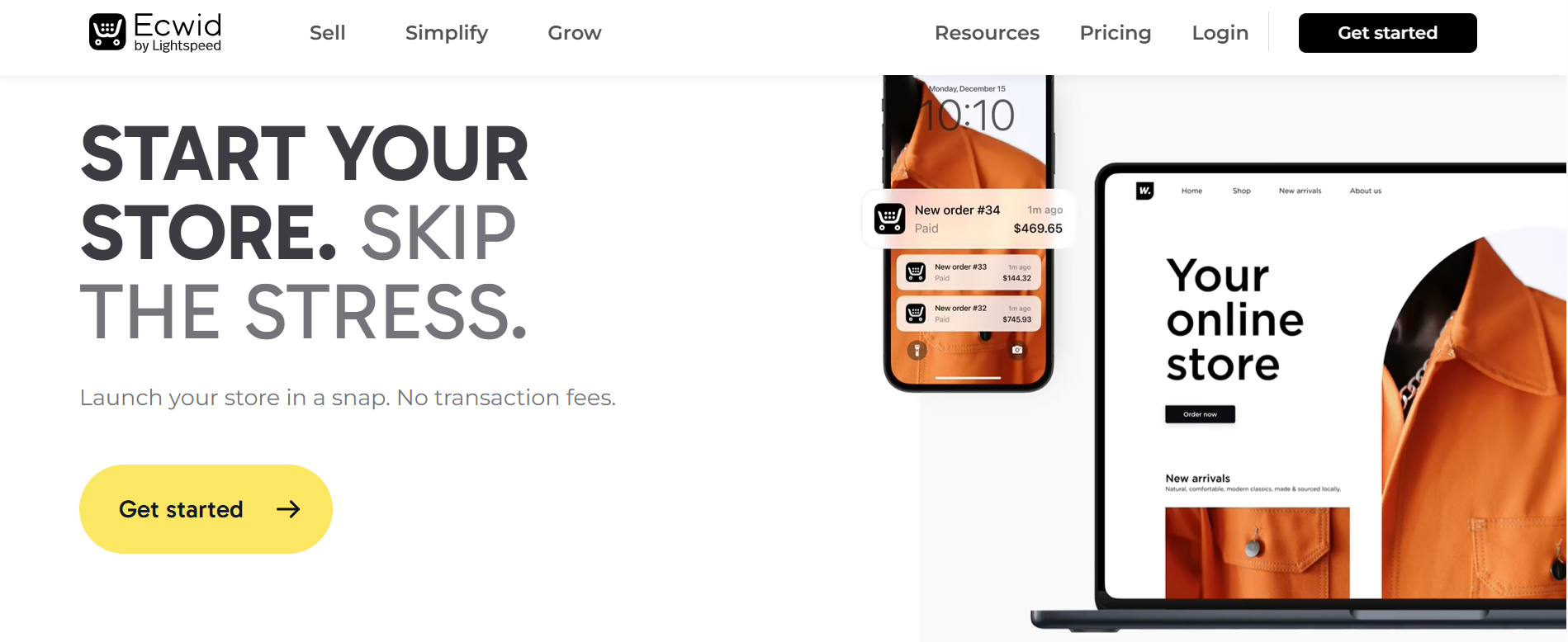
The search for an Ecwid alternative typically begins when a merchant realizes their business has outgrown what a shopping cart widget can support. What started as a convenient way to add checkout buttons to an existing site becomes a constraint when you need a full-featured standalone store, advanced product management, or seamless dropshipping integration.
Ecwid solved a narrow problem well. It lets website owners add ecommerce functionality without rebuilding their entire site. The name itself reveals the original intent: “e-commerce widget.” You could embed it into WordPress, Wix, or Squarespace and start accepting payments within hours.
The friction surfaces when your goals shift from “sell a few products” to “build a scalable online business.” According to Ecwid's industry insights, global ecommerce retail sales are expected to grow by about 30% by 2026, reaching $8.1 trillion. That growth creates intense competition. Standing out requires more than a functional checkout process. You need advanced customization, multichannel selling, supplier integrations, and a storefront experience that feels intentional rather than embedded.
Ecwid's widget architecture wasn't designed for that level of complexity. You're working within the constraints of your host platform, which limits your control over design, layout, and the customer experience. Product management across multiple sales channels becomes cumbersome. Dropshipping suppliers often require specific integrations that a widget can't easily accommodate.
Most people assume the problem is about features or pricing. It's deeper than that. The challenge is time. Building a competitive ecommerce store traditionally requires weeks of setup: choosing a theme, configuring payment gateways, sourcing products, integrating suppliers, optimizing for mobile, and setting up email automations. Even with a widget, you're still piecing together multiple tools and hoping they work together smoothly.
Merchants who outgrow Ecwid often face a choice. Spend weeks manually migrating to a new platform and rebuilding everything from scratch, or stick with a system that no longer supports their growth. Neither option feels good.
Platforms like AI store builder compress that entire setup process into minutes by using AI to handle design, product selection, and supplier integration automatically. Instead of spending weeks configuring settings across multiple apps, you get a fully functional dropshipping store pre-loaded with trending products and connected suppliers. You retain full ownership and control, but skip the manual labor that typically prevents people from launching.
The search for an Ecwid alternative isn't really about dissatisfaction with a single platform. It's about recognizing that the ecommerce landscape has changed. What worked five years ago, when simply having an online checkout was enough, no longer works. Competition is fiercer. Customer expectations are higher. The barrier isn't technology anymore.

The assumption is straightforward: choose the right ecommerce platform, and your store will succeed. This belief shapes nearly every decision new entrepreneurs make during setup. It exists because platform comparisons dominate the conversation. Articles rank features. YouTube videos compare pricing tiers.
Online communities debate app integrations and template libraries. The volume of these discussions creates an impression that platform selection is the most critical choice you'll make.
Switching platforms solves a technical question. It doesn't solve a business question. The real challenge isn't the software running your store. It's building a store that's actually ready to sell.
That requires products people want to buy:
Without these pieces working together, even the most advanced ecommerce platform sits idle.
Most new store owners spend weeks comparing checkout flows and design templates when they should be researching product demand and supplier reliability. The platform becomes a distraction from the harder work of understanding what customers need and how to deliver it profitably. Entrepreneurs delay their launch for months, convinced they need to find the perfect platform before they can begin. They're solving the wrong problem.
Platforms like AI store builder compress the technical setup into minutes by using AI to handle design, product selection, and supplier integration automatically. You get a functional dropshipping store pre-loaded with trending products and connected suppliers.
But even with that speed, the business questions remain. You still need to understand your market, test your messaging, and drive traffic. The platform removes technical barriers, but it doesn't replace business judgment.
A functional ecommerce store can accept orders. A competitive ecommerce store consistently generates them. That gap is where most new stores struggle. They launch with all the technical pieces in place (payment processing works, products display correctly, checkout functions smoothly), but no clear path to their first sale. The platform did its job. The business strategy didn't exist yet.
This is why switching platforms rarely changes outcomes. If your current store isn't generating sales because you haven't identified a target customer or built traffic channels, moving to a different platform won't solve that. You'll have the same business problems on new software. The interface might feel cleaner. The dashboard might look more modern. But without customers who want what you're selling and a way to reach them, the store stays quiet.

Launching an ecommerce store involves assembling multiple operational systems before you're ready to accept your first order. Product selection, supplier verification, storefront design, payment configuration, shipping setup, and content creation each require decisions that affect customer experience and profitability. Most new store owners underestimate how these tasks compound into weeks of preparation work.
Building a functional store follows a predictable pattern. You start by researching products with actual market demand, not just items that seem interesting. That means analyzing search volume, reviewing competitor pricing, and identifying gaps where customer needs aren't adequately met.
Next comes supplier sourcing. You need vendors who ship reliably, maintain quality standards, and respond when problems arise. Verifying these qualities takes time. You can't know if a supplier is dependable until you test their communication speed, review their product samples, and understand their return policies. One unreliable supplier can generate negative reviews that damage your store's reputation before you've built any customer trust.
The gap between the initial setup and launching a live store is longer than most people expect. Product research alone can consume weeks. You're not just picking items to list. You're validating demand, calculating margins after platform fees and shipping costs, and determining whether you can compete on price or need to differentiate through positioning.
Many entrepreneurs begin with enthusiasm, then hit the repetitive work of writing product descriptions, configuring variant options, setting inventory rules, and testing checkout flows across different devices. The initial excitement fades when you realize you're still weeks away from being ready to drive traffic, and you haven't even started building your marketing channels yet.
Platforms like AI store builder compress this entire sequence by using AI to handle product selection, supplier integration, and storefront design automatically. Instead of spending weeks researching trending products and vetting suppliers individually, you get a functional dropshipping store pre-loaded with verified products and connected fulfillment partners. The technical assembly that typically requires multiple tools and configuration steps takes minutes, letting you focus on marketing and customer acquisition rather than on setup logistics.
Product photography seems straightforward until you need images that work across mobile screens, desktop displays, and social media previews. Writing descriptions feels easy until you realize each one needs to address specific customer objections, include relevant keywords for search visibility, and match your brand voice consistently across hundreds of items.
Shipping configuration appears simple until you're calculating dimensional-weight pricing, setting up rate tables for different regions, and deciding whether to absorb costs or pass them on to customers. Payment processing looks basic until you're comparing transaction fees, understanding chargeback policies, and ensuring your checkout works across different browsers and devices.

Most people assume building a complete online store requires weeks of technical work. Product research, supplier vetting, theme customization, and payment gateway configuration. Each task compounds into a timeline that stretches from days into months before you're ready to process your first order.
AI Store Builder compresses that entire sequence into under ten minutes by using AI to handle the setup work most platforms leave to you. Instead of starting with an empty storefront and a list of configuration tasks, you get a fully built Wix dropshipping store with twenty trending products already loaded, connected to verified suppliers, and structured for conversions.
Beyond the technical infrastructure, AI Store Builder includes a complete dropshipping course covering product testing, marketing strategy, and scaling tactics. Users also get access to live support calls and a community of over 15,000 ecommerce entrepreneurs.
That combination matters because most store failures happen not from technical problems, but from a lack of guidance after launch. You can build a functional store in minutes, but understanding how to drive traffic and test products profitably requires knowledge that isn't preinstalled on any platform.

Wix provides one of the most visually intuitive website builders, with a drag-and-drop editor that lets you customize nearly every element of your storefront without writing code. The platform evolved from general website creation into a legitimate ecommerce solution with built-in product management, payment processing, and marketing integrations.

Shopify built its reputation by focusing exclusively on ecommerce infrastructure rather than on serving general website needs. The platform provides extensive product management tools, thousands of third-party app integrations, and a scalability path that supports businesses from first sale through enterprise-level operations.
The Shopify App Store contains integrations for nearly every ecommerce function you might need:
That ecosystem allows you to start simple and add complexity as your business model evolves.
According to Ecwid's industry data, over 1.5 million merchants currently use various ecommerce platforms globally. Shopify captures a significant portion of that market because it scales effectively. You can launch with basic product listings and gradually integrate advanced features such as subscription billing, wholesale channels, and international selling without migrating to a different platform.

Squarespace prioritizes visual presentation above all else. The platform attracts brands where aesthetics drive purchase decisions:
Squarespace works best for businesses that view their website as a brand experience rather than just a transaction mechanism. The ecommerce features are solid but not as extensive as Shopify's app ecosystem. You're choosing design elegance over feature depth, which makes sense for certain product categories but limits options if you need complex inventory management or multichannel selling.

Square Online solves a specific problem that widget-based platforms like Ecwid struggle with: unified inventory management across physical and digital sales channels. The platform integrates directly with Square's point-of-sale ecosystem, allowing retail shops, restaurants, and service businesses to manage in-person and online transactions through one system.

Shoprocket targets entrepreneurs who want to add ecommerce functionality to an existing website without rebuilding their entire site structure. The platform offers an embedded cart system similar to Ecwid, but it emphasizes load speed and streamlined integration with various website builders.

SureCart built its platform specifically for WordPress users selling digital products, memberships, or subscription services. Unlike traditional ecommerce plugins that require dozens of extensions to handle digital delivery and recurring billing, SureCart integrates those functions natively.

Payhip focuses exclusively on digital product sales, making it the simplest option for creators selling ebooks, courses, music, templates, or digital art. The platform handles product delivery, payment processing, and customer access management without requiring you to build a separate website.

The time between deciding to start an online store and actually opening for business determines whether most entrepreneurs ever complete the journey. Momentum dies during extended setup periods. What begins as excitement about launching a business deteriorates into frustration with configuration tasks, supplier research, and design decisions that drag on for weeks without producing revenue.
New store owners face an uncomfortable truth. You cannot know which products will sell until customers vote with their wallets. Product research, competitor analysis, and trend reports provide guidance, but they don't replace actual purchase data. Every day spent perfecting a store before launch is a day without real customer feedback.
According to Maersk's analysis of speed to market, 95% of new products fail due to poor speed to market. The implication extends beyond product development into store launches themselves. Businesses that test quickly learn what works. Those who prepare extensively often build solutions for problems customers don't actually have.
The traditional ecommerce setup sequence creates natural delays:
Each task feels necessary, and each is individual. But collectively, they form a barrier that prevents most people from reaching the testing phase, where real learning happens.
There's a pattern that repeats across failed store launches. Someone decides to start an ecommerce business. They research platforms, compare features, and read setup guides. They spend days choosing a theme, tweaking colors, adjusting layouts. They write and rewrite product descriptions, trying to anticipate every customer question. Weeks pass. The store looks better, but it still hasn't processed a single order.
The work feels productive because tasks are getting completed. But productive activity isn't the same as progress toward revenue. Every refinement made before launch is a guess about what customers want. Some guesses prove correct. Most don't. The only way to know which is which is to expose the store to real buying behavior.
Platforms like AI Store Builder compress the entire setup sequence into minutes by automatically handling product selection, supplier integration, and store design. Instead of spending weeks making configuration decisions, you get a functional dropshipping store with trending products already loaded and suppliers connected.
That speed doesn't eliminate the need for testing and iteration. It just moves those activities from pre-launch preparation to post-launch optimization, where they actually generate useful data.
Stores that launch quickly enter a different operational mode than those stuck in extended setup.
They start accumulating data immediately :
This information only becomes visible after launch.
Unfinished stores create psychological drag that most entrepreneurs underestimate. The project sits in the back of your mind, generating guilt about not making progress and anxiety about whether it will ever launch. That mental overhead affects other decisions, reduces creative energy, and makes the entire venture feel heavier than it should.
Completing a launch, even an imperfect one, changes that dynamic entirely. The store exists. It's processing orders, or it's not, but either way, you have concrete information to work with rather than theoretical possibilities to worry about. That shift from potential to actual transforms how you think about the business.

AI Store Builder replaces the traditional build-it-yourself model with a delivery system. You don't configure settings, research products, or assemble supplier relationships. You receive a complete dropshipping store already configured with those elements, ready to begin testing within minutes of signup.
The approach solves the problem most platform comparisons ignore. Choosing between Ecwid, Shopify, or WooCommerce still leaves you facing weeks of manual work. Selecting products, writing descriptions, finding reliable suppliers, and designing pages. That work exists regardless of which cart system you pick. AI Store Builder removes those tasks entirely by handling them before delivery.
When the store arrives, the infrastructure is already assembled. Twenty trending products are loaded with optimized descriptions and images. Supplier connections are active, meaning orders route to fulfillment partners automatically without you negotiating terms or setting up integrations manually. The storefront structure follows conversion principles, with navigation, product pages, and checkout flows configured to reduce friction.
This matters because most store launches stall during the assembly phase. Entrepreneurs spend three weeks researching niches, another two weeks vetting suppliers, then additional days formatting product listings and testing payment flows. By the time they're ready to drive traffic, momentum has died. The excitement that prompted them to start has been replaced by fatigue from repetitive configuration tasks.
The store is built on Wix, which provides design flexibility and reliable hosting without requiring technical knowledge. You get full ownership and administrative access, meaning you can modify anything after delivery. But the initial configuration is complete. Products are categorized logically. Pages load quickly on mobile devices. Payment processing works across major gateways.
The twenty preloaded products aren't randomly selected. They're identified through trend analysis and market demand data, giving you items that show current buying interest rather than forcing you to guess which niches might work.
The platform includes a complete dropshipping course covering topics most entrepreneurs learn through expensive trial and error. Product testing methodologies that reveal which items convert before you scale ad spend. Marketing strategies for both paid channels and organic traffic. Scaling tactics that prevent inventory issues or supplier problems as order volume grows.
Live support calls provide direct access to guidance when specific problems arise. Instead of searching forums or watching generic YouTube tutorials, hoping someone addressed your exact situation, you can ask questions and get answers relevant to your store setup. The community of over 15,000 members creates additional learning opportunities through shared experiences and tested strategies.
Most platforms deliver software. AI Store Builder delivers a functioning business system with the knowledge infrastructure needed to operate it effectively. That combination addresses the real barrier preventing people from succeeding in ecommerce. It's not a lack of tools. It's a lack of clarity about what to do once the store is gone.
That pressure is the pressure of possibility. When setup disappears as an excuse, you're left facing the actual work of building a business. Testing products, driving traffic, and learning what resonates with customers. That work exists whether your store takes ten minutes or ten weeks to build. The only difference is how quickly you start learning.
If you're searching for an Ecwid alternative to launch faster, the AI store builder creates a complete Wix dropshipping store in under 10 minutes. Twenty trending products loaded, suppliers connected, pages optimized for conversion. You skip the weeks of configuration and start with the question that actually determines success: which products will your customers buy? Everything else is preparation. This is the beginning.
Get your free store in less than 10 minutes today
%20(1).avif)